Whoa!
So I was thinking about how messy multi-chain portfolios still feel for most DeFi people.
My instinct said there had to be a better way to see everything in one place without giving up security or control.
Initially I thought a single dashboard would solve it, but then I realized that token standards, layer bridges, and contract permissions make a neat aggregation much harder than it looks—really hard.
Here’s what bugs me about most wallets: they show balances, but they rarely simulate the actual transaction flow you care about before you hit send.
Seriously?
Yes, seriously.
Many tools give you numbers but not the story behind a transaction.
I remember once almost approving a token permit that would have let a dApp drain liquidity if conditions changed—ugh, lesson learned the hard way.
That moment pushed me to look for wallets that combine portfolio tracking with risk controls and preflight transaction simulation.
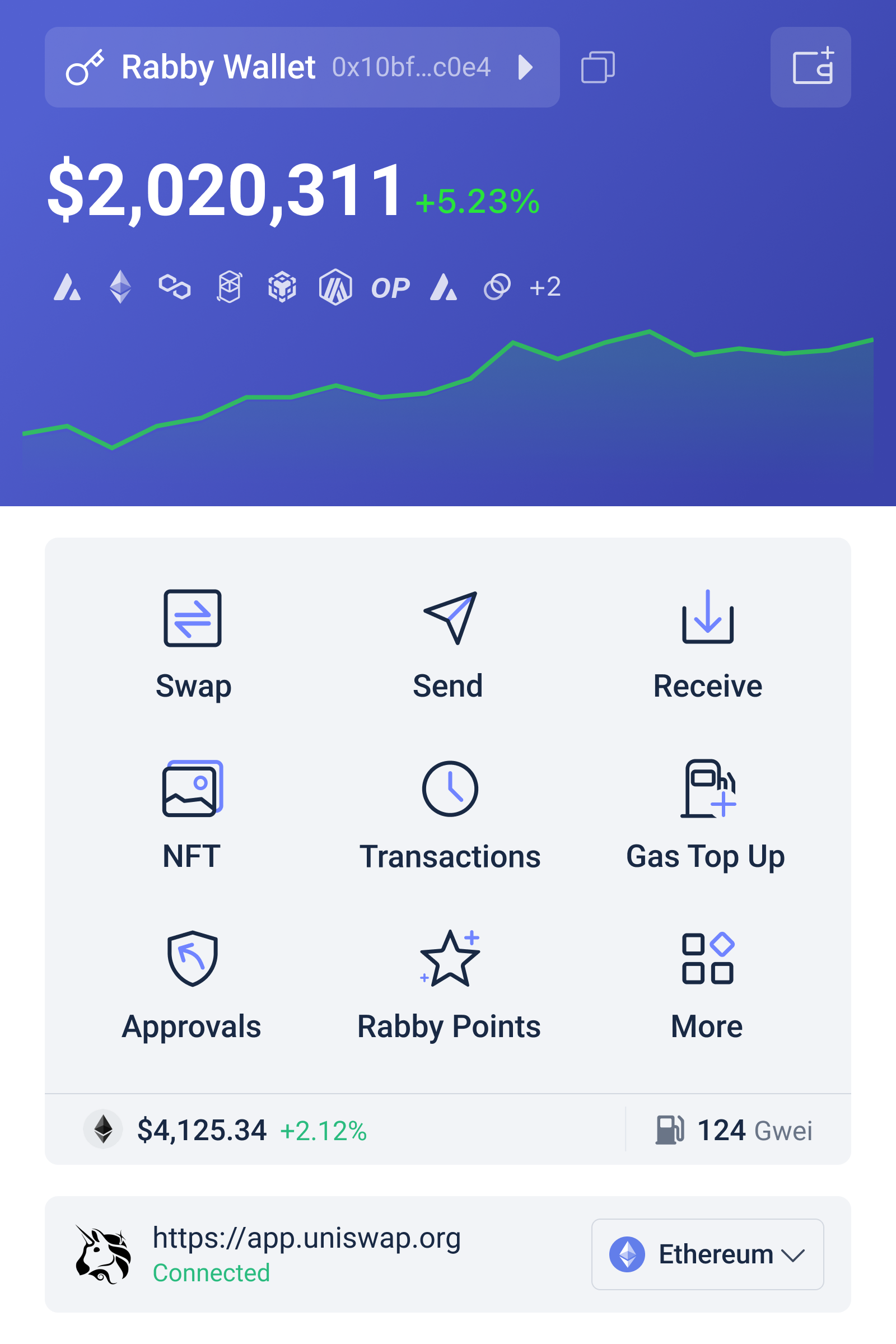
What “portfolio tracking” really needs to do
Okay, so check this out—portfolio tracking isn’t just about totals across chains.
It should tell you where risk actually lives: which contract has an unlimited allowance, which bridge is pending, and which LP position is vulnerable to impermanent loss in sudden volatility.
On one hand you want a tidy net worth number; on the other hand you need a forensic view that surfaces the traps before they bite.
My first impressions were overly idealistic, but then I started testing real scenarios and that changed my priorities.
Here’s the practical list I now use when vetting a wallet for serious DeFi use.
First: multi-chain balance aggregation that respects token variants (ERC-20 vs ERC-777, wrapped native tokens, different decimals and metadata issues).
Second: a timeline of pending and historical transactions per chain with failure reasons and gas analytics.
Third: explicit allowance management and batched revocation flows that don’t brick your workflows.
Fourth: preflight simulation of transactions, including slippage, gas estimation, and contract call results—this is very very important.
Why transaction simulation matters (and how it actually works)
Whoa!
Simulating a transaction before you sign is not magic; it’s deterministic replay and static analysis of what will happen on-chain.
At the technical level a wallet can run a dry-run against a node (or a forked RPC) to preview execution traces, revert reasons, and return values, which help predict failures.
But there’s nuance—gas estimation can be off on congested networks, and MEV or front-running can still alter the realized outcome.
So simulation plus conservative safety margins is the best practice—simulate, then add buffer, then simulate again if needed.
My approach evolved: initially I trusted raw simulations, but then I learned to interpret them, not worship them.
Actually, wait—let me rephrase that: simulations give you context, not guarantees.
They show if a swap would revert because of low liquidity, or if a permit would exceed a spender cap, or if a bridge call returns a known error string.
They can also surface hidden approval steps that some contracts perform under the hood (oh, and by the way, that often trips people up).
That visibility turns ambiguous interactions into actionable decisions.
Multi-chain realities: why wallets must be smarter, not just broader
Hmm… multi-chain support isn’t a checkbox; it’s an operational challenge.
Different chains have different gas models, reorg risks, finality times, and tooling gaps.
Wallets that only paste the same UX over every chain create illusions of safety when the underlying mechanics differ dramatically.
On some networks you want batching and nonce management; on others you need mempool protection and higher gas estimates to avoid reorgs.
Designing for those differences matters for people who run leverage, arbitrage, or even just cross-chain staking strategies.
Here’s a real example: I once tracked a cross-chain LP position that needed a manual withdraw on chain A and a claim on chain B.
If you see only the net worth you miss the dependency and timing risk between the two operations.
Executing them without simulation and conditional checks would have left funds stranded for days.
A wallet that surfaces the sequence and simulates both legs would have saved time and anxiety—seriously.
Not to mention fees.
Security features that change outcomes
I’ll be honest—I get skeptical when wallets promise “military-grade” security and then expect you to click through infinite approvals.
Practical security is about reducing attack surface and making dangerous actions explicit.
That includes granular approval flows, mandatory simulation steps on risky calls, hardware wallet integration with clear prompts, and transaction sandboxes.
Also, address whitelists and contract allowlists can stop common scams before they start.
And yes, a sane UX that explains why a call needs specific permissions helps more than a thousand warning pop-ups.
I’m biased toward wallets that make permissioning visible and reversible.
Somethin’ about seeing who can spend what, and revoking it in a few taps, calms me down.
But I’m not 100% sure that the average user will parse low-level revert reasons, so good wallets translate tech-speak into plain language.
That translation is where trust is built—if a wallet can say “this swap may fail due to low pool liquidity” in normal words, people make better choices.
Interfaces matter.
Why I link to this one wallet
I’m selective about recommendations, and I almost never embed links for the sake of it.
That said, when a tool combines portfolio aggregation, multi-chain awareness, and robust transaction simulation with clear permission controls, I mention it.
If you want to explore a wallet that focuses on these exact things check out https://rabby-wallet.at/—I used it during my last cross-chain rebalance and the simulations caught an approval I would have otherwise missed.
Not a paid plug—just practical heads up.
FAQ
Q: How reliable are transaction simulations?
A: Simulations are good for catching revert reasons and obvious failures, and they help estimate gas, but they aren’t bulletproof—network state and MEV can change the final result, so use simulations plus safety buffers and hardware signing when possible.
Q: Do multi-chain wallets increase attack surface?
A: They can, if poorly implemented. The secure ones isolate chain-specific keys, require explicit approvals per chain, support hardware wallets, and provide clear revocation flows to minimize risk.
Q: What should I prioritize as a DeFi user?
A: Prioritize visibility (what can spend your tokens), previews (simulate before signing), and reversibility (easy allowance revocations). Protect large positions with hardware wallets and split operational keys when feasible.
So where does that leave us?
I’m more optimistic than I was a year ago, but cautious too.
There are now wallets that actually respect the complexity of DeFi instead of pretending aggregation alone is enough.
That doesn’t solve everything; governance attacks, bridge regressions, and social engineering still lurk.
But with good portfolio tracking, multi-chain awareness, and a solid simulation layer you lower the odds of a catastrophic, avoidable mistake.
I’ll stop there for now—this part bugs me in a very particular way, and I talk about it too much.
But if you want to be serious about DeFi holdings, treat your wallet like a control center, not just a balance sheet.
And remember: simulate, double-check, hardware-sign when needed, and take your time—fast moves often cost money.
Really.
Whoa.