Okay, so check this out—if you’ve been poking around Solana NFT marketplaces, you’ve probably heard the name Phantom a dozen times. It’s the wallet most folks on Solana use in their browser, and for good reasons: it’s fast, integrates cleanly with dApps, and handles NFTs in a way that feels… native. I’ll be honest, I was skeptical at first. But after moving a handful of collections over and testing swaps, staking flows, and wallet connect flows, Phantom stuck.
If you just want the short version: Phantom is a browser extension wallet that focuses on usability while giving you control of your private keys. It’s not a custodial app. That means you hold the keys, and yeah, with great power comes responsibility. Want the extension? You can get it here: https://sites.google.com/cryptowalletextensionus.com/phantomwalletdownloadextension/
First impressions and why they matter
When I first opened Phantom I noticed the UI felt polished but not flashy. Simple icons, clear balances, and a dedicated NFTs tab. That matters because users do weird things when they’re confused—clicking the wrong button, approving suspicious transactions, or abandoning a purchase mid-flow. Phantom reduces friction, and on Solana where transactions zip by in a second, that polish makes the experience feel smooth.
On one hand, the extension is great for collectors and traders who want fast interactions. On the other hand, if you’re used to MetaMask on Ethereum, some flows (like token metadata and NFT previews) behave a bit differently. Not better or worse—different. You’ll adapt in a few minutes.
Setting up Phantom in your browser — quick walkthrough
Install: head to the link above and add the extension to Chrome/Edge/Brave/Firefox. Follow the prompts to create a new wallet or restore one from a 12-word seed phrase. Seriously—write that phrase down offline. I can’t stress that enough.
Create a password for the extension (this just unlocks it locally). Then back up the seed phrase. Again—offline. Print it, store it in a safe, or use a fireproof box if you’re extra cautious. If your computer dies or the browser profile gets wiped without a seed phrase, there’s no way to recover the wallet.
One more tip: create multiple Phantom wallets (yes, you can). Use different ones for collectibles, trading, and testing airdrops. Keeps things tidy and isolates risk.
Managing NFTs in Phantom
Phantom detects and displays NFTs in a dedicated tab. It fetches metadata (images, attributes) from on-chain references and off-chain hosts. Usually that works well. But sometimes metadata is slow or missing—especially for newer collections that host art on experimental IPFS gateways. If an image won’t load, check the token’s metadata URI on a block explorer and try a different gateway or wait a little.
Transferring an NFT is straightforward: click the NFT, hit Send, paste the recipient’s Solana address, and confirm. The network fee is tiny—often a fraction of a cent—but still inspect the destination address carefully. Phishing remains the most common loss vector. Seriously, always double-check pasted addresses.
Security posture — what Phantom does, and what you still must do
Phantom keeps your private key encrypted locally in the browser profile. It never sends your key to external servers. Cool. But because it’s a browser extension, it shares the same threat surface as your browser—malicious extensions, compromised sites, and clipboard hijackers can be a problem.
Practical precautions:
- Use a hardware wallet (Ledger) with Phantom for high-value holdings. Phantom supports Ledger integration—use it for cold storage or big NFTs.
- Only install the official extension from trusted sources; the link above points to a recognized distribution. Verify the extension’s publisher and reviews when installing.
- Keep browser extensions to a minimum. The fewer moving parts, the fewer possible compromises.
- Never paste your seed phrase anywhere. Ever. Not in email, not in chat, not even as a note to yourself.
Interacting with dApps and marketplaces
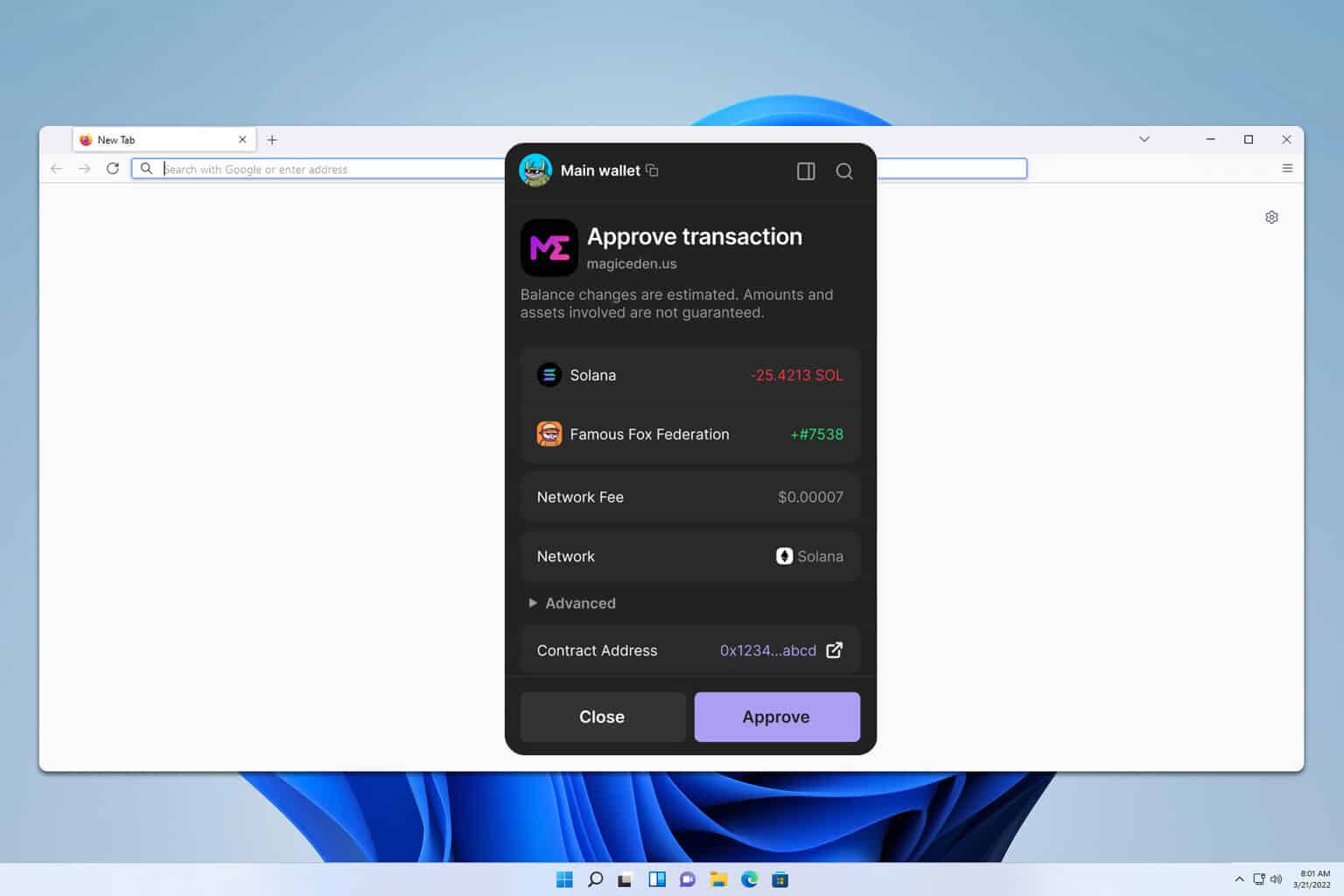
Phantom integrates with most Solana dApps: marketplaces like Magic Eden and Solanart, play-to-earn games, DeFi aggregators, and social apps. When a dApp requests a signature, Phantom shows a permission popup with details. Read them. A signature is not a transaction fee confirmation; sometimes apps ask for broad allowances. If the language is vague, pause, and check the dApp’s docs or community channels.
One oddity: some dApps rely on specific SPL token standards or custom metadata. If something looks off (e.g., a token labeled as an NFT but missing images), hunt down the collection’s contract info. Confirming on-chain data with a block explorer helps avoid surprises.
Common troubleshooting
Problems happen. Here’s a practical checklist:
- If NFTs aren’t showing: toggle the NFTs tab, refresh, or restart the browser. Check the token’s mint address on Solscan.
- If a dApp isn’t connecting: ensure the site is using Solana’s wallet adapter ecosystem and that Phantom is allowed to connect to that page.
- If a transaction stalls: Solana sometimes has short hiccups. Wait a minute, then check the transaction signature on a block explorer to confirm status.
Advanced tips
If you’re trading or flipping NFTs, keep a small “hot” wallet for purchases and a cold wallet for storage. Phantom + Ledger is a reliable pairing: Phantom handles UI, Ledger signs transactions. Also, enable the optional settings that help you view raw transaction data—useful for power users who want to inspect the exact instructions a dApp is sending.
For developers and power users: Phantom supports custom RPC endpoints. If you run your own Solana node or prefer private endpoints for speed or privacy, pop the URL into Phantom’s settings. That can reduce latency and keep your traffic off public endpoints, but remember — custom RPCs must be trustworthy.
FAQ
Is Phantom safe for NFTs?
Yes, with caveats. Phantom is widely used and secure when paired with safe practices (seed phrase backups, minimal extensions, hardware wallets for valuables). The wallet itself is a tool—your habits determine risk more than the app.
Can I use Phantom on mobile?
There’s a Phantom mobile app, but the browser extension is where most marketplace interactions happen. Use the mobile app for on-the-go checks, but for heavy NFT management or Ledger integrations, the desktop extension is more convenient.
What about phishing sites?
Phishing is real. Always verify URLs, use bookmarks for frequent marketplaces, and never authorize transactions from links in unsolicited messages. If something asks you to sign a message that seems unrelated to the action you’re taking, stop.